№ 01
Intervyou
An AI-powered, candidate-centric hiring platform built to fix a process that has a 50% failure rate.
When the technology has no precedents, what is your design process for deciding how it should behave?
Read the case study →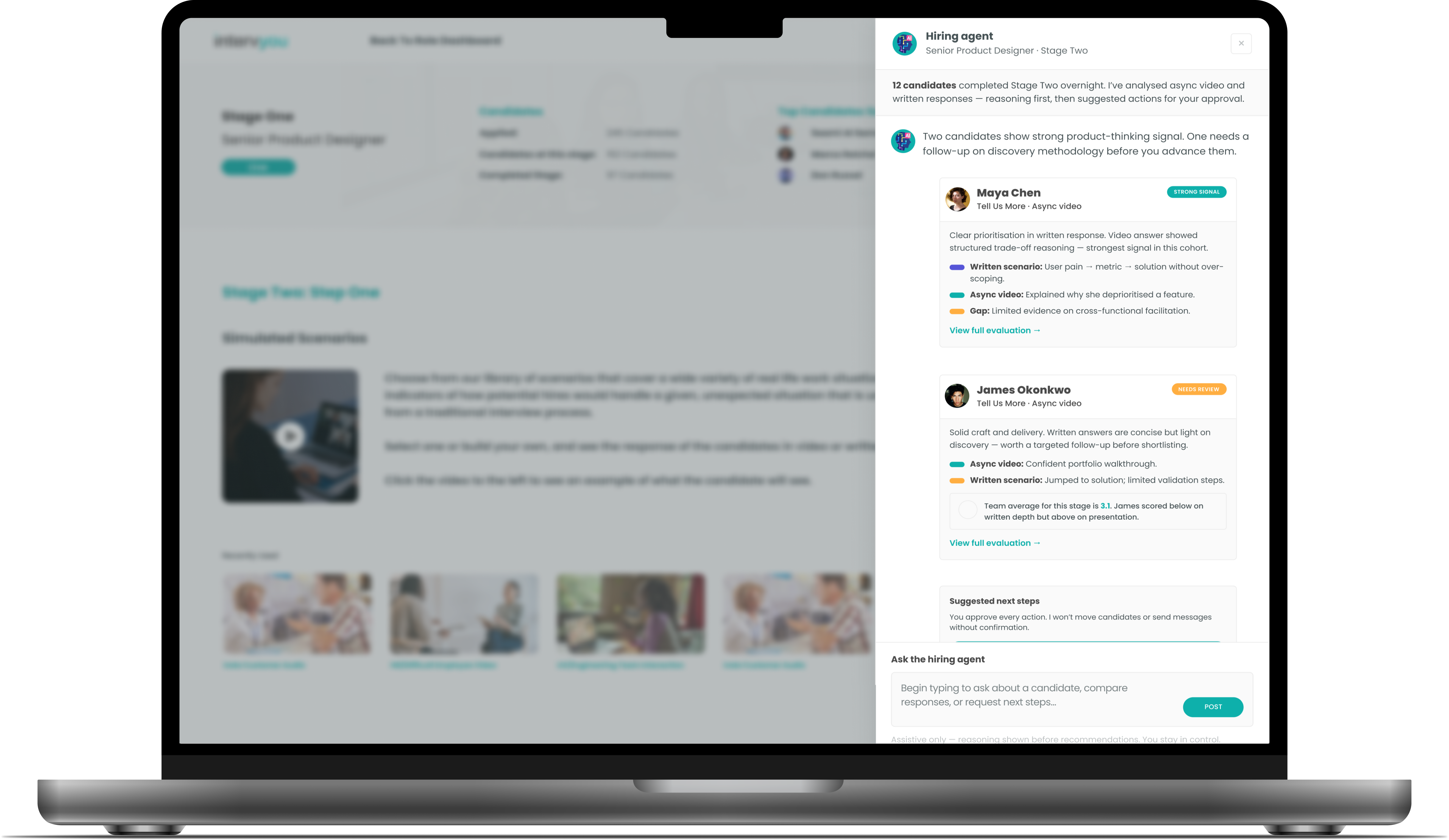
Ten years. Fifty-plus products. One equation —
Neobanks, buy-now-pay-later platforms, team management tools and educational products used across multiple continents — from early-stage MVPs to platforms handling real transactions at scale. Founder of Teemie, backed by Google’s Adopt A Startup. Based in Dublin.
A portfolio shows where you’ve been. This shows where I’m going — designed, prototyped and shipped in parallel.
The social layer streaming forgot to build. Timestamped reactions to any show, film or live sport — pinned to the exact second, spoiler-free.
Founder · Product & Design
A men’s skincare brand, built from formulation up — currently in lab selection for the first product batch.
Founder · Brand & Product
A mental-health companion: gentle check-ins, journalling, trusted contacts and an AI co-pilot — designed for the 85% who never reach formal care.
Perfutil · Lead Product Design
Real-time, gamified social fitness for Gen Z — BeReal’s authenticity meets Duolingo’s habit loops, applied to movement.
Perfutil · Lead Product Design
The next generation of the team management platform — new investment incoming, full redesign in flight.
Founder · Everything
An AI-powered, candidate-centric hiring platform built to fix a process that has a 50% failure rate.
When the technology has no precedents, what is your design process for deciding how it should behave?
Read the case study →
Team management for retail, hospitality and service businesses — scheduling, GPS clock-in, messaging, tasks and budgets in one dashboard, at half the price of competitors. Designed across desktop, mobile and admin; then guided through full development as PM. Won Irish government funding and was chosen by Google for Adopt A Startup.
There's a difference between designing someone else's product and betting on your own. I've done both — it changes how you think about everything.
Read the case study →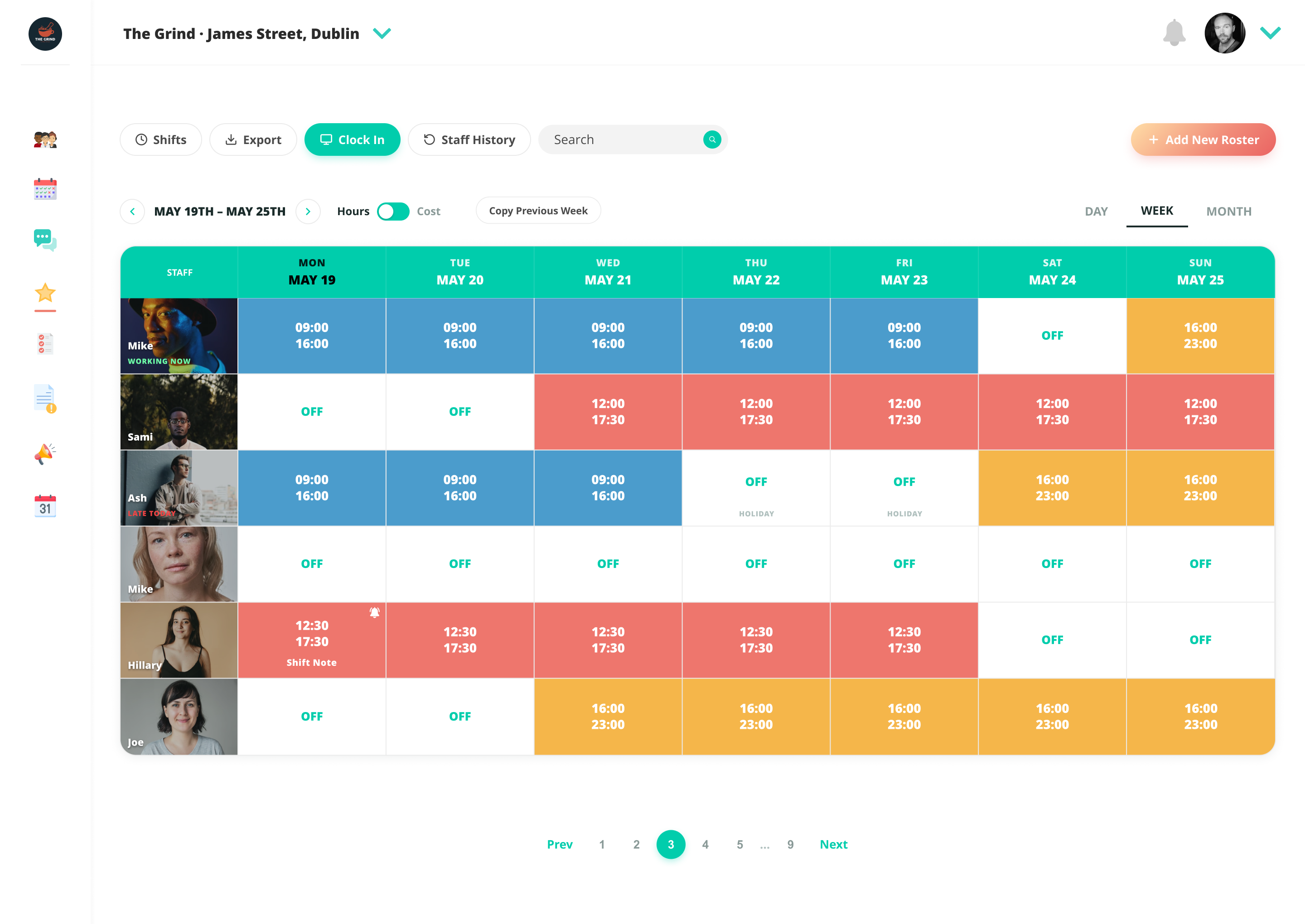
A communal viewing companion — timestamped social commentary for shows, films and live sport. Users watch on their own streaming service; Lobbi provides the conversation layer, pinned to the exact second. Designed, coded and shipped solo, AI-augmented. Web live at enterlobbi.com; iOS on TestFlight.
When the product doesn't exist yet, you have to design the behaviour and ship the whole thing yourself.
Read the case study →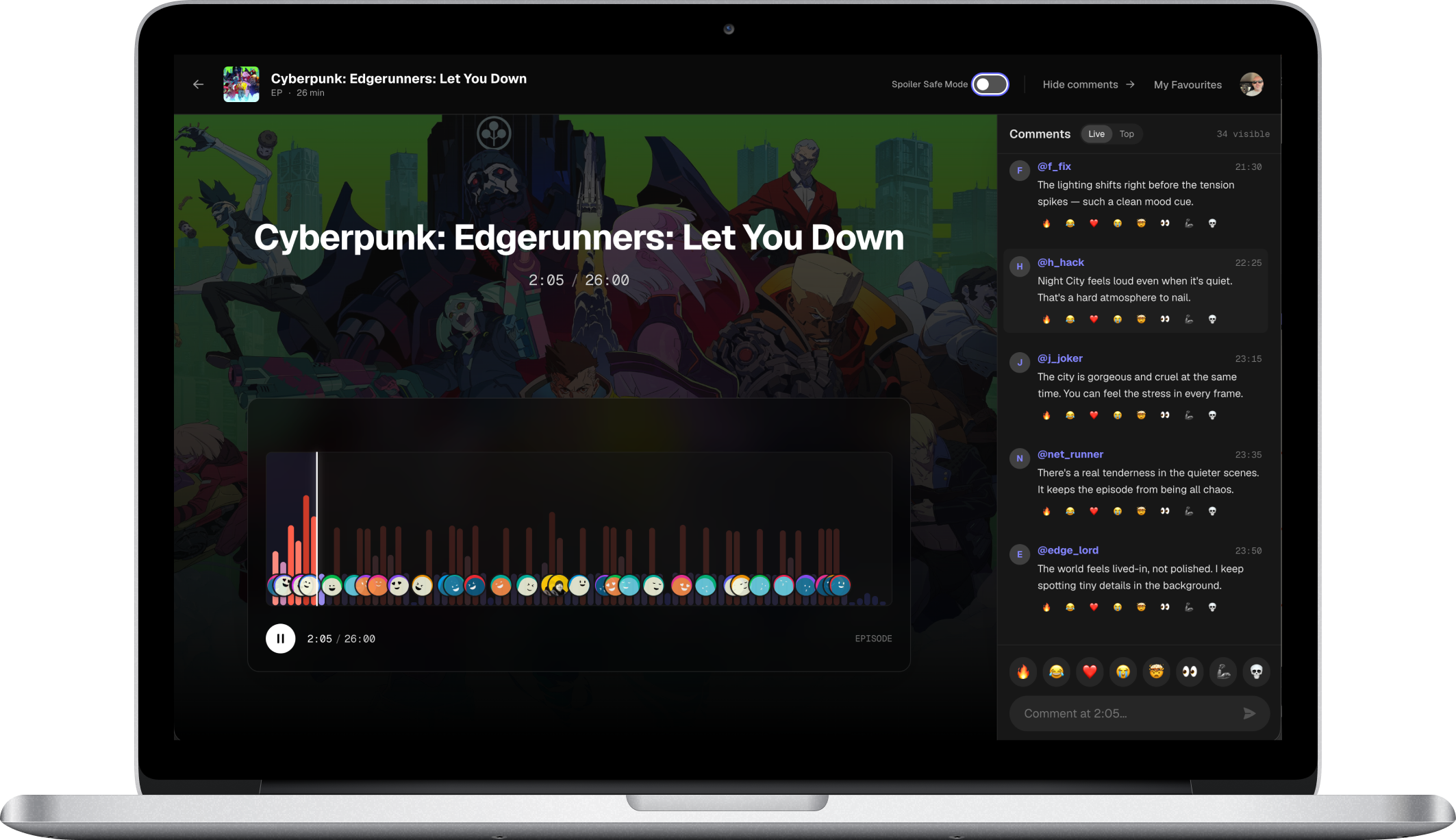
Arrived as a rough idea for splitting bills. Left as a group-finance platform — shared "Kitties", group saving, and instantly issued virtual cards for every member. I led validation workshops with target users, then the full UX process through to final design.
The interesting part: the research killed the original idea and found a better one underneath it.
Read the case study →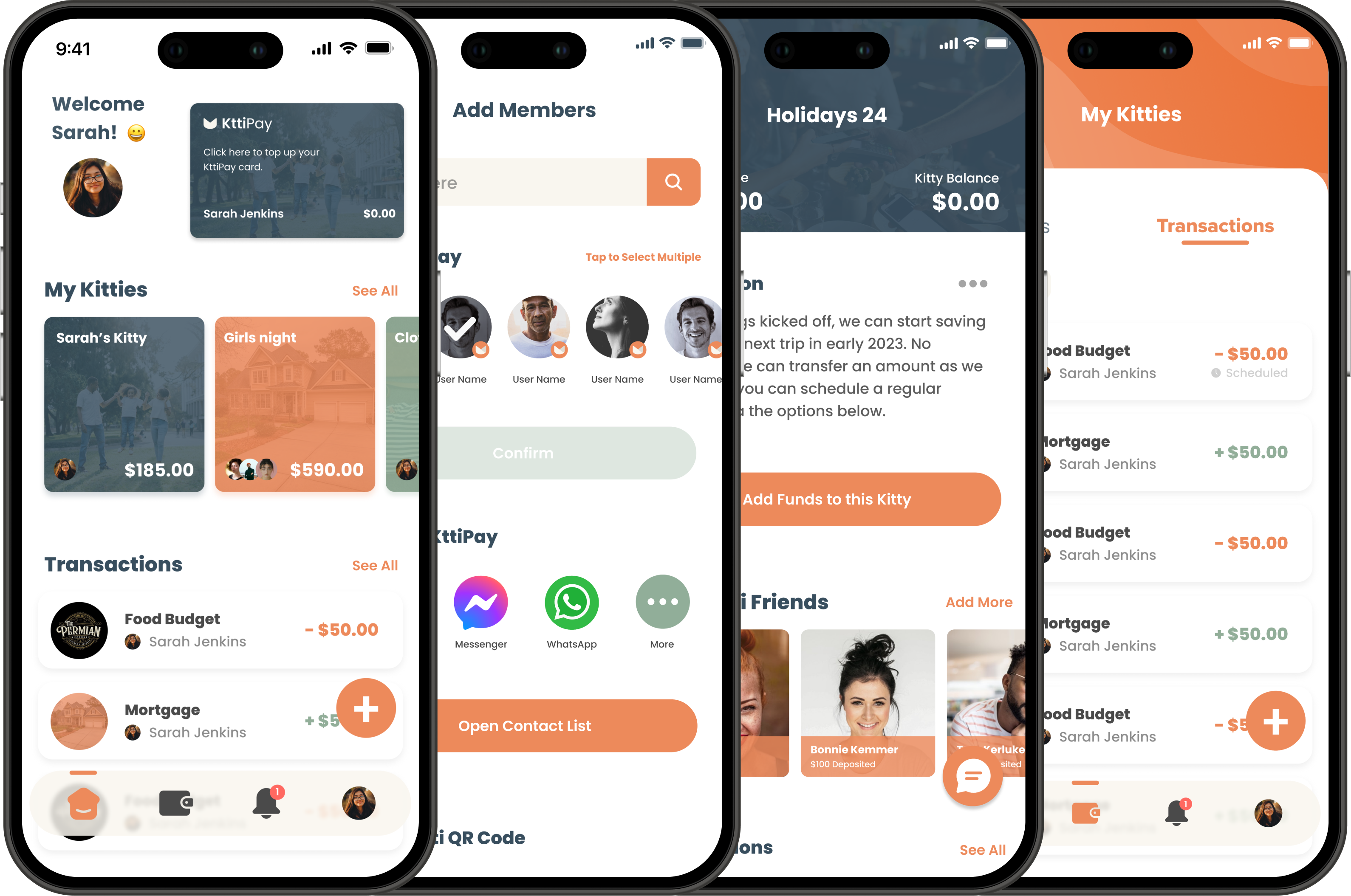
Flexifi was preparing to scale its interest-free instalments product. I ran a complete audit of the existing experience, user-tested a high-fidelity prototype of the riskiest assumptions, and delivered the redesigned product end to end.
A reminder that "redesign" should start with evidence, not aesthetics.
Read the case study →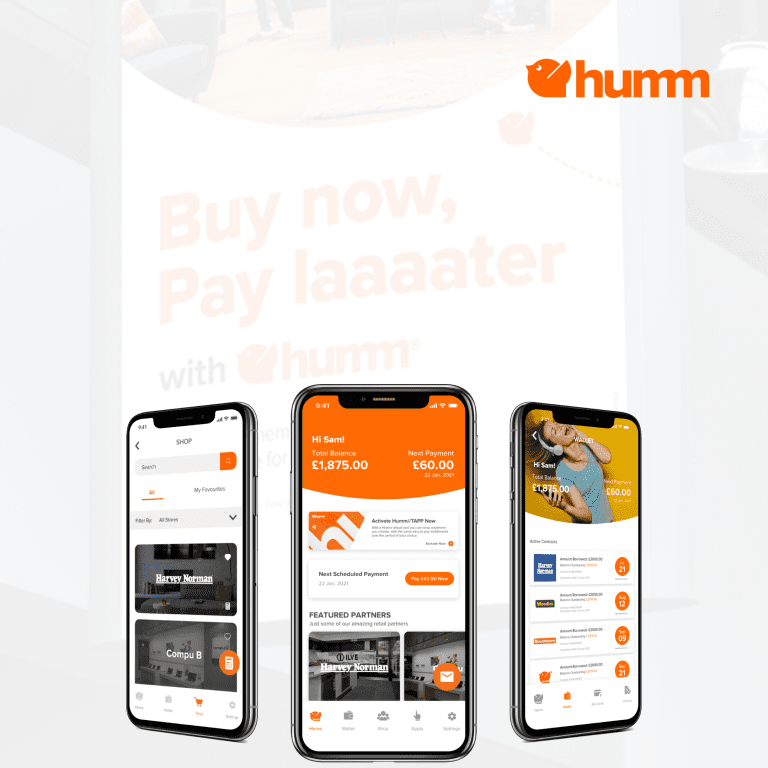
With schools and museums in Australia, we studied how teachers and students actually behave on educational trips. Everyone else was solving the admin — permissions, logistics. We focused on the trip itself, and how digital tools could deepen what kids learn while they're standing in front of the exhibit.
Read the case study →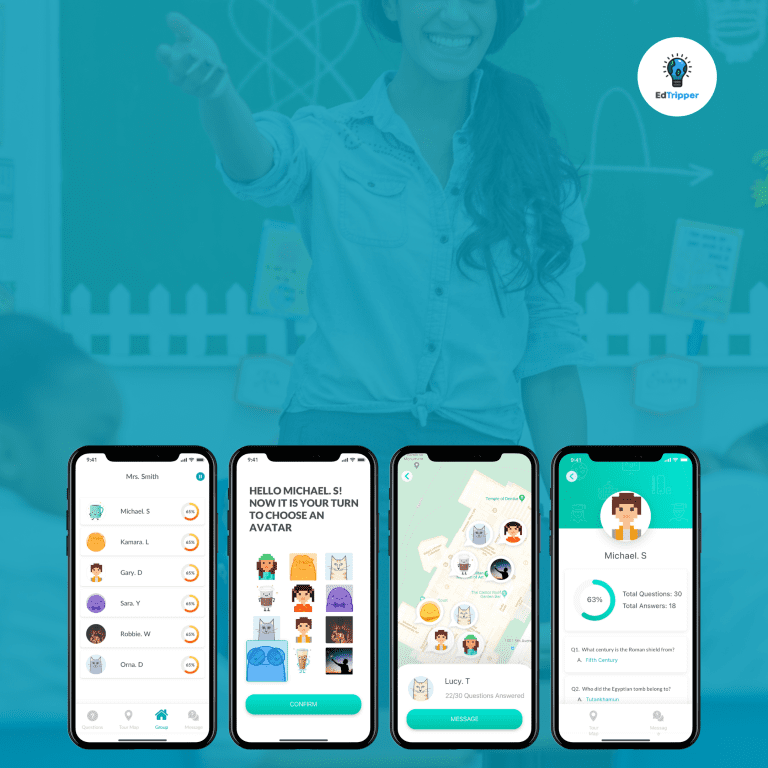
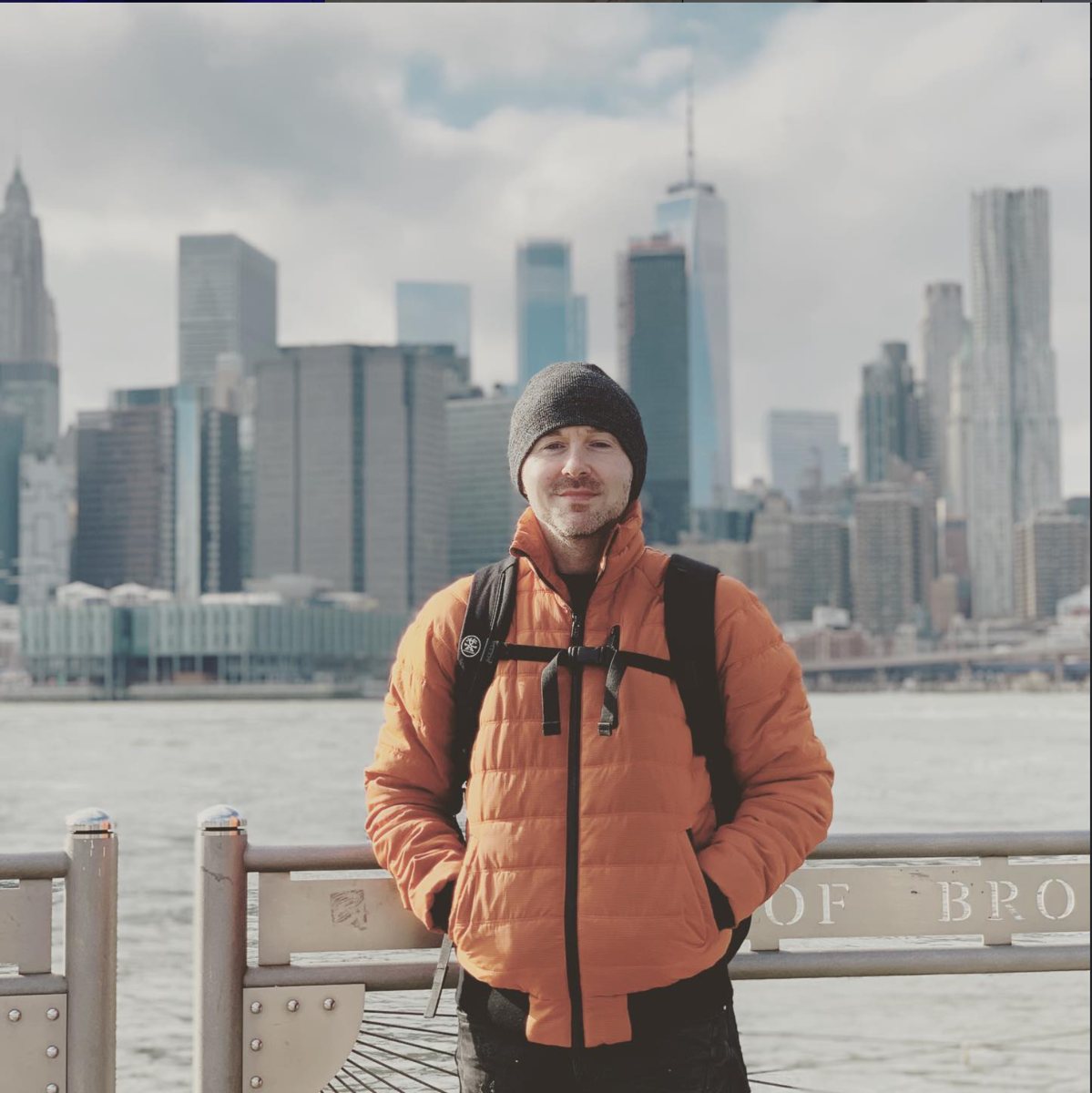
I’ve always been wired to look at how people interact with the digital and physical world, think “that could be better” — and then go build it.
Ten years. Fifty-plus products. Fintech, SaaS, ed-tech, consumer. I’ve led teams, run research programmes, built prototyping workflows that actually test assumptions, and been in the room where the product decisions get made — not just the design ones.
Combine a founder’s instinct with an MSc in Interaction Design and a decade of shipping real products, and you get someone who thinks like a founder and executes like a senior designer. High creative output. Fast.
Workshops, interviews, desk research, personas. The journalist in me won’t let a project start on assumptions — research has killed bad ideas and uncovered better ones on nearly every project here.
Fully interactive, high-fidelity prototypes with real animation and behaviour — close enough to the finished product that test users forget it isn’t. Clients decide with evidence, before paying development costs.
Final design built as a working reference for development — and increasingly, built by me. I now take the final step myself and ship the software I’ve envisioned.
AI changed my process completely. Not in a keeping-up-with-trends way — in a my-output-has-multiplied way. Research, prototyping, testing, shipping: all faster, all better. It’s the difference between a designer who hands over files and a designer who hands over working products.
Most of a product designer’s work happens behind the scenes. A weekly journal of the daily reality of navigating two new projects in parallel.